Health and Safety Policy for Ruxley Storage
 Ruxley Storage is committed to maintaining a safe, secure, and well-managed environment for employees, visitors, contractors, and customers. This health and safety policy sets out the standards that support safe working practices across all storage areas, shared spaces, and operational activities. The aim is to reduce risk, encourage responsibility, and ensure that everyone who enters the premises understands the importance of safe behaviour.
The company recognises that health and safety is a shared responsibility. Management will provide suitable oversight, training where needed, and clear procedures to help prevent accidents and incidents. All staff are expected to take reasonable care for their own safety and the safety of others. Customers and visitors are also expected to follow site rules, act responsibly, and report anything that may create a hazard.
Ruxley Storage will regularly review its safety arrangements to make sure they remain effective, practical, and proportionate to day-to-day operations. This includes monitoring storage areas, keeping access routes clear, and ensuring that equipment and facilities are maintained in good condition. A strong safety culture helps protect people, property, and operations while supporting confidence in the service provided.
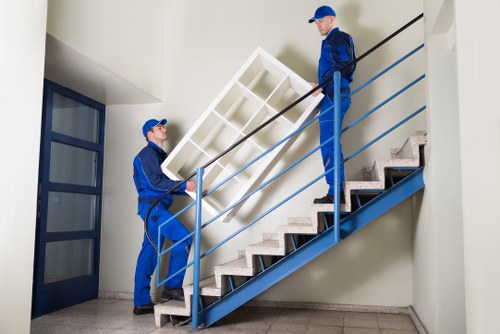
 Safe access and movement around the premises are essential. Walkways, loading areas, and internal routes must be kept free from obstruction at all times. Items should be stored in a stable manner, with heavier goods placed appropriately to reduce the risk of collapse or strain injuries. Where movement of goods is required, suitable equipment should be used and handled only by trained or authorised individuals. Manual handling should be avoided where possible and managed carefully where it cannot be eliminated.
Fire prevention is a key part of the policy. Smoking, unsafe use of electrical equipment, blocked exits, and careless storage of flammable materials all increase the chance of harm. The site should be kept tidy, with waste removed promptly and any sources of ignition controlled. Staff must understand emergency procedures and know how to respond calmly if an alarm sounds or an incident occurs. Emergency routes and exits must remain accessible.
Security and safety are closely linked. Controlled access, good housekeeping, and appropriate surveillance measures help protect stored goods and reduce the risk of unauthorised entry. However, security measures do not replace the need for safe conduct. Customers should lock units properly, avoid storing prohibited items, and make sure their own activities do not place themselves or others at risk. Safe use of locks, keys, and access systems contributes to a safer overall environment.
 The company will identify and assess risks that may arise from routine tasks, maintenance work, customer access, and equipment use. Where significant hazards are identified, suitable controls will be put in place. These may include signage, inspections, maintenance schedules, restricted access, and improved storage methods. Risk assessments should be reviewed when circumstances change or after an incident so that lessons can be applied effectively.
Training and awareness are important parts of a successful storage safety approach. Staff should be given the information they need to work safely, understand emergency arrangements, and report concerns without delay. Even simple reminders about lifting techniques, spill reporting, or the correct use of trolleys can reduce injuries and prevent damage. New starters should receive clear induction support, and refresher updates should be provided when required.
Accident reporting must be prompt and accurate. Any injury, near miss, unsafe condition, or damage to property should be reported so that action can be taken. Investigating incidents helps identify root causes and prevents repeat events. The goal is not only to respond after something happens, but to create a workplace where hazards are recognised early and managed in a proactive way.
The policy also emphasises welfare and wellbeing. Reasonable steps will be taken to maintain a clean environment, adequate lighting, and suitable facilities where applicable. Staff should be encouraged to raise concerns if they are feeling unwell, fatigued, or unable to work safely. A respectful approach to wellbeing supports safer decisions, better concentration, and reduced risk of avoidable mistakes. Wellbeing and safety work best together.
Contractors and third parties who attend the site must follow the same safety expectations as everyone else. Any work that introduces additional risk should be planned carefully and carried out in a controlled manner. Communication is essential so that all parties understand the scope of the work, any restrictions, and any hazards that may affect others nearby. No activity should be allowed to compromise the safety of the premises.
 Management will assign responsibility for implementing this policy and ensuring that it remains up to date. Monitoring may include regular checks, maintenance reviews, housekeeping inspections, and consultation with staff where appropriate. The policy will be amended when operational changes, new risks, or improved methods make this necessary. Ongoing commitment from management helps embed safety into everyday practice.
 By following this health and safety policy, Ruxley Storage aims to provide a secure, organised, and low-risk environment for everyone. Safety depends on good planning, clear expectations, and consistent behaviour. All users of the site are asked to act responsibly, respect instructions, and help maintain a standard of care that protects people and property alike. With attention to detail and shared commitment, the workplace can remain safe, efficient, and well controlled.
This policy reflects the company’s commitment to continuous improvement in Ruxley Storage safety, with practical controls that support everyday operations. The approach is designed to be clear, effective, and easy to follow, ensuring that safety remains an essential part of how the site is managed.